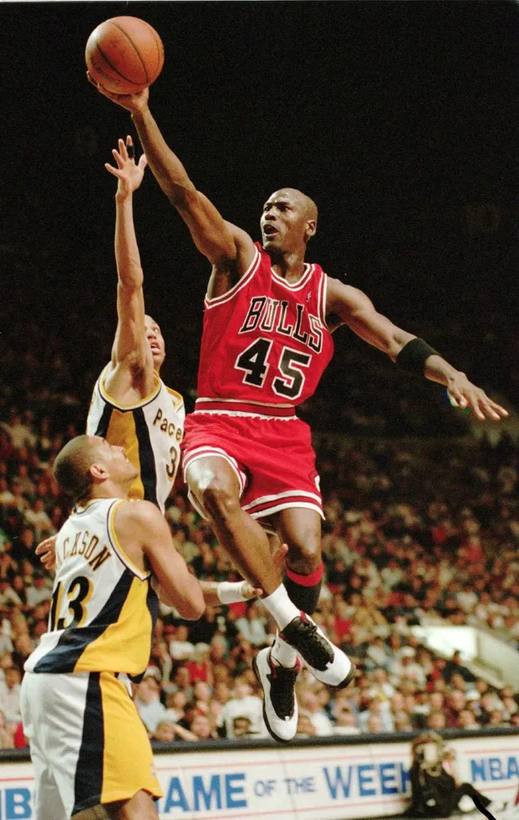
Michael Jordan
Walked away from Adidas to bet on his own name. The shoe became its own religion.
The move
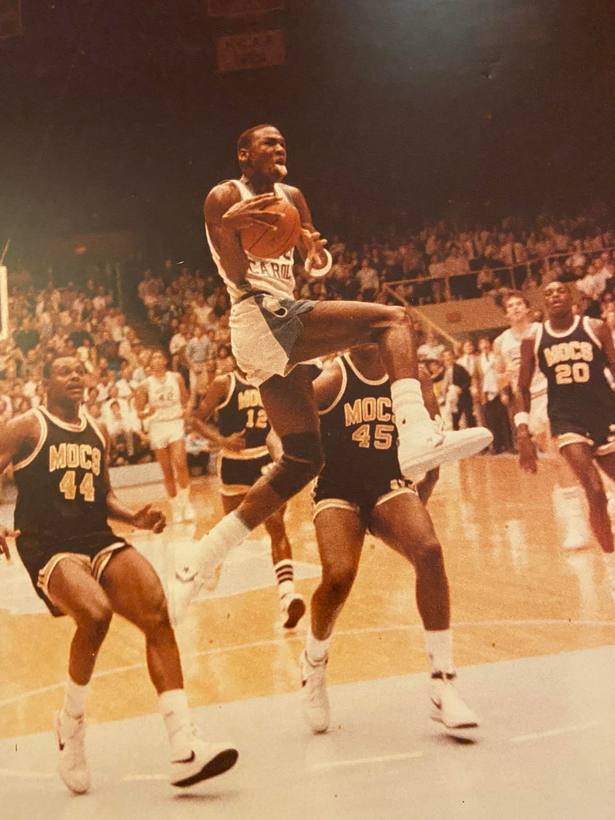
In 1984, Michael Jordan was a 21-year-old rookie who wanted Adidas. They were the brand of basketball royalty, Kareem, Magic. Jordan wore them in college. Adidas's offer for the No. 3 draft pick was anemic. Converse, the league standard, offered standard money. Jordan's parents told him to take the meeting with Nike.
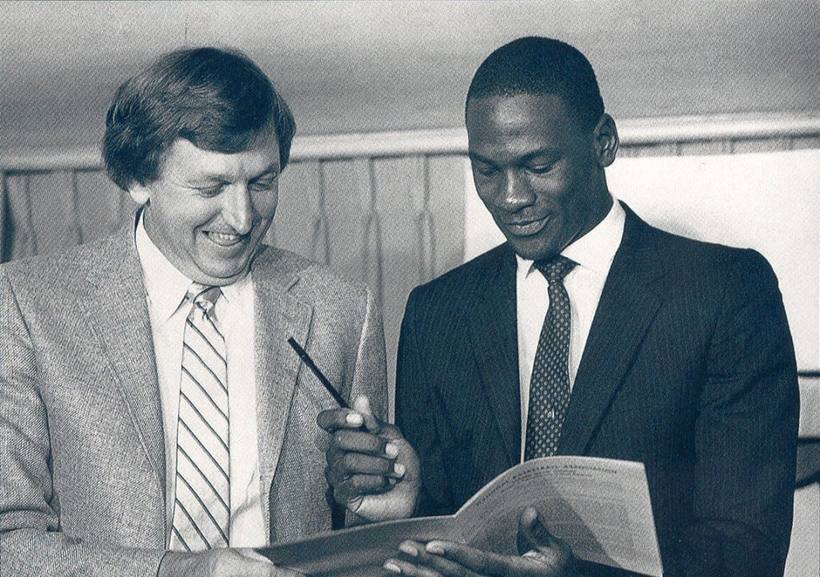
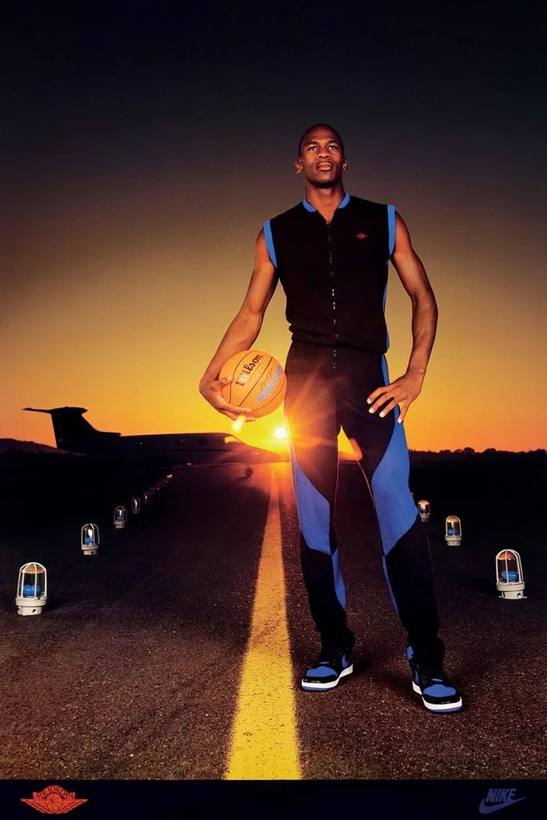
Nike was a running brand. They had no real basketball presence. They offered Jordan something nobody had ever offered an athlete: equity in his own line. The Air Jordan. A signature shoe with profit share, royalty, and creative input, a deal structure that didn't exist in 1984.
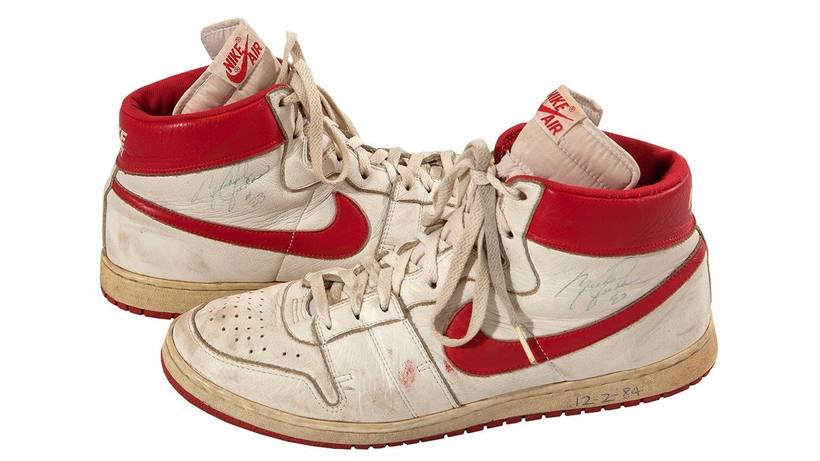
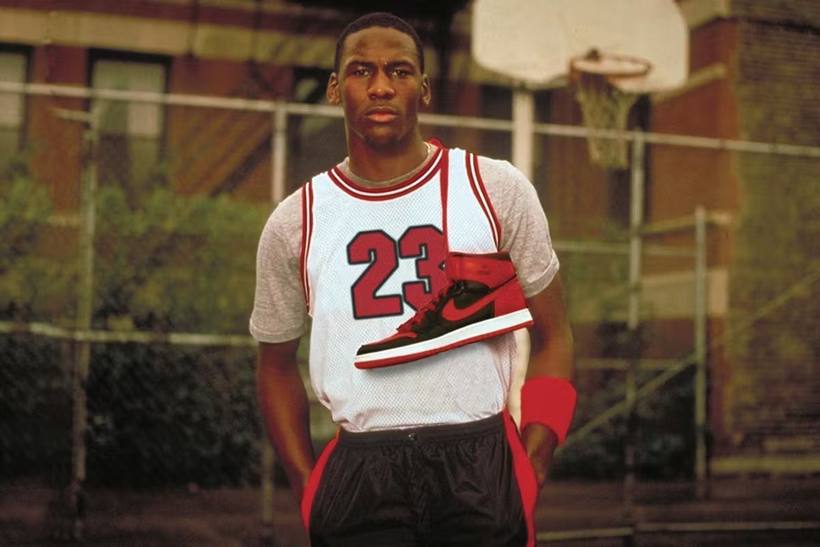
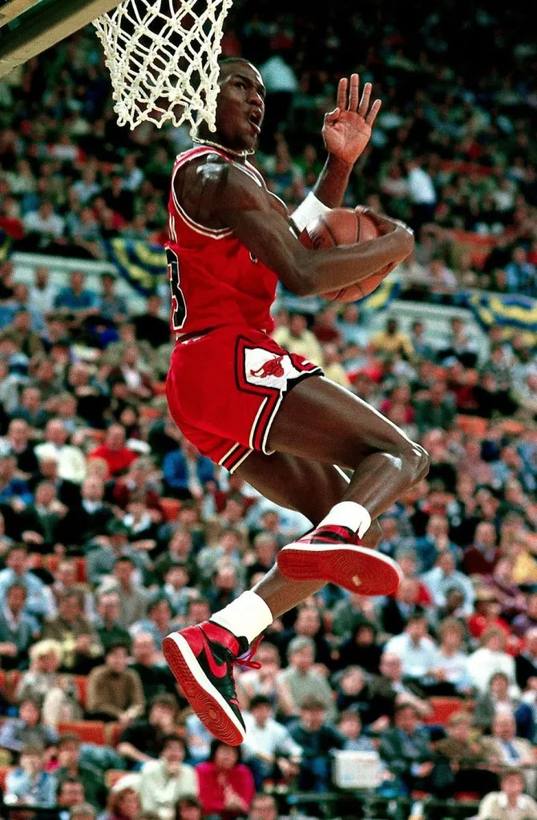
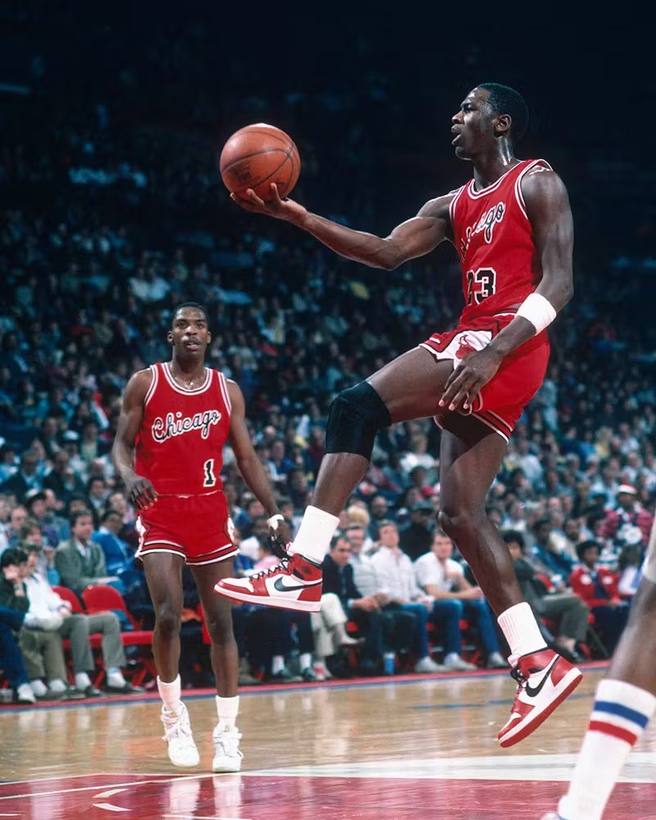
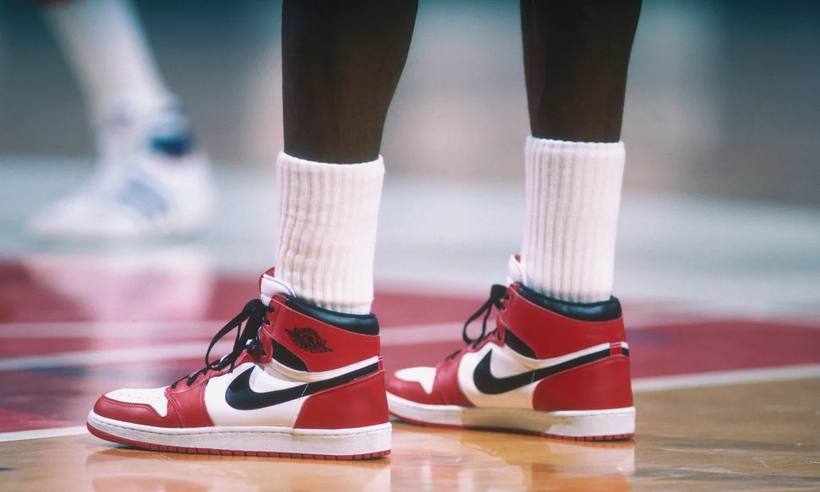
The NBA banned the original red-and-black Air Jordan 1 for violating the league's uniform policy. Nike paid the $5,000 fine every game and ran a TV ad about it. The shoe sold $126M in year one against a $3M projection.
Jordan retired in 2003. The Air Jordan brand has not. Forty years later it's a $5.7B-a-year business, bigger than every basketball brand in existence except Nike itself, which it sits inside. The Jordan name doesn't just out-sell competitors. It defines the category.
Why it was risky
Adidas was the safe choice. Converse was the institutional choice. Nike was a small running brand pivoting into sport on the strength of a kid who hadn't played a regular season game yet. The brand bet its basketball future on one person, the person bet his earning power on a brand that didn't exist. The structure had no precedent. Equity, royalty, brand control for an athlete was the kind of arrangement reserved for the team owner, not the player.
What it looked like
EVIDENCE 01 / AIR JORDAN 1, BANNED COMMERCIAL / 1985
The numbers
From a $3M sales projection to the most valuable signature deal in sport. Forty years of compounding ownership turned a rookie's risk into a permanent revenue stream.
The lesson
The risk wasn't the shoe. It was claiming the equity. Jordan and Nike rewrote the relationship between athlete and brand by building ownership into the deal, turning a 21-year-old's signature into a category that outlasted his career and made every signature deal that followed possible. R.I.S.K. exists for the people willing to negotiate for the upside instead of the safety, and to bet on themselves at the moment everyone else is betting on the institution.
→ Take the riskRisk shape
- Mode
- ATHLETE-AS-BRAND-EQUITY
- Distribution
- POWER-LAW
- Capital
- REPUTATIONAL · CONCENTRATED
- The other system's verdict
- KILLED AT THE LICENSING COMMITTEE
Michael Jordan walked from Adidas to bet on a Nike shoe with his name. A brand licensing committee with the same call would have it killed for "unproven category attachment". Jordan Brand would be a footnote.
→ See how risk actually works