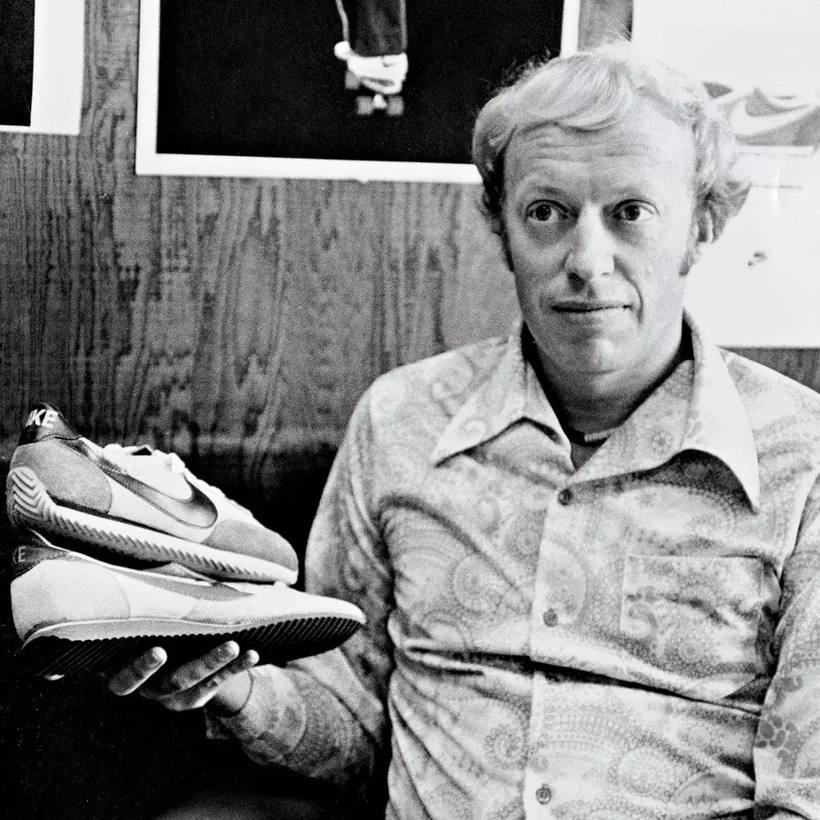
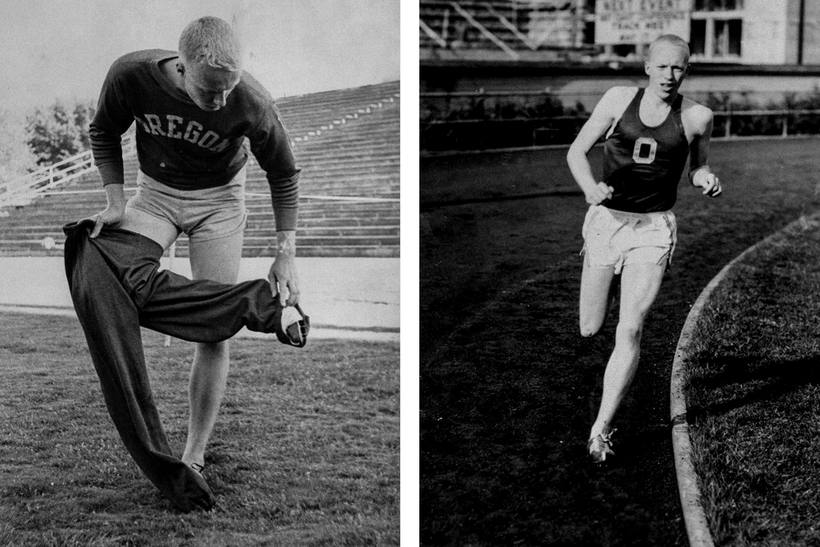
Phil Knight
Mortgaged his life to import Japanese running shoes, sold them out of his trunk. That became Nike.
The move
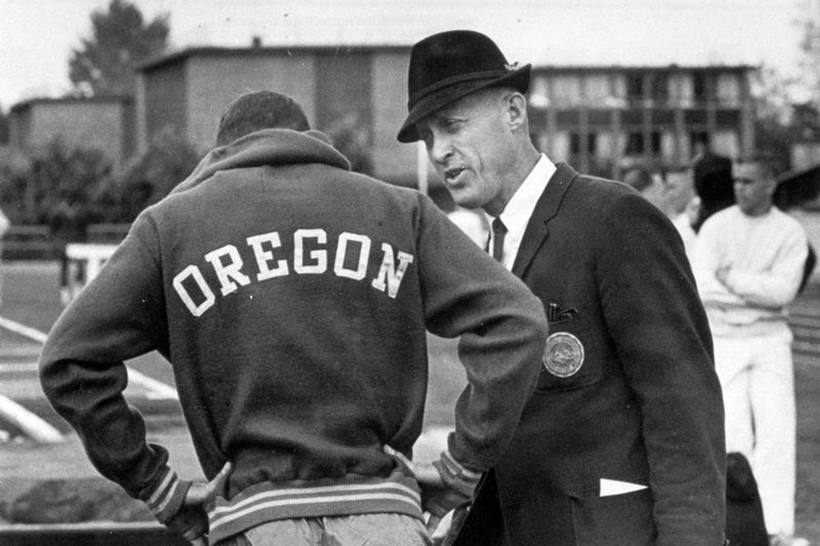
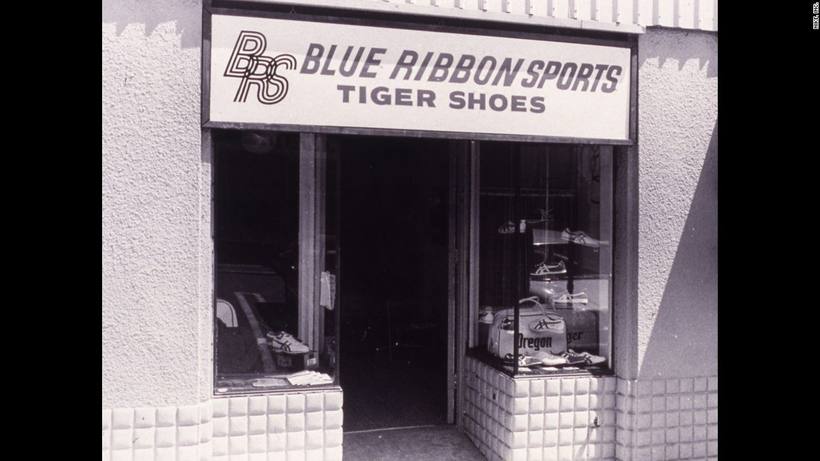
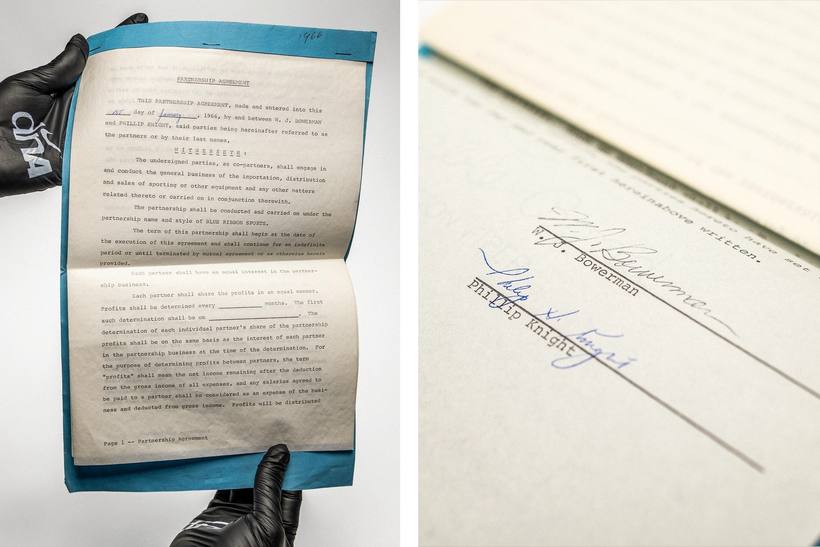
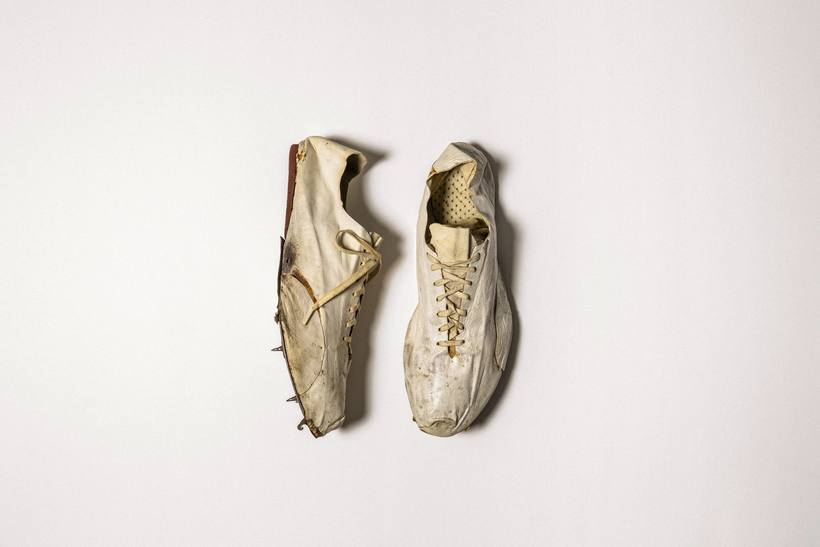
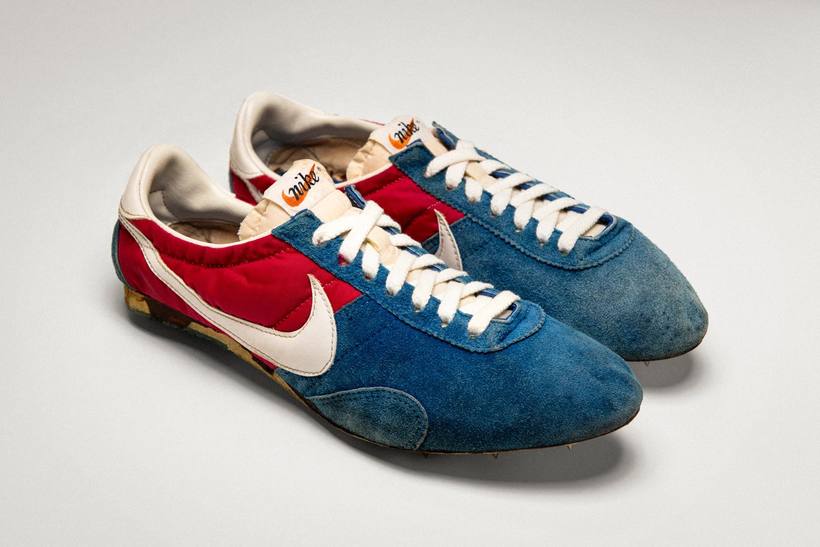
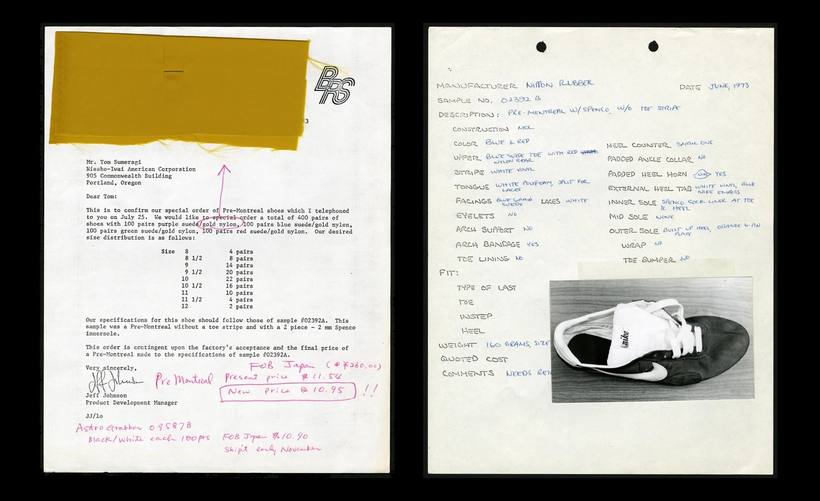
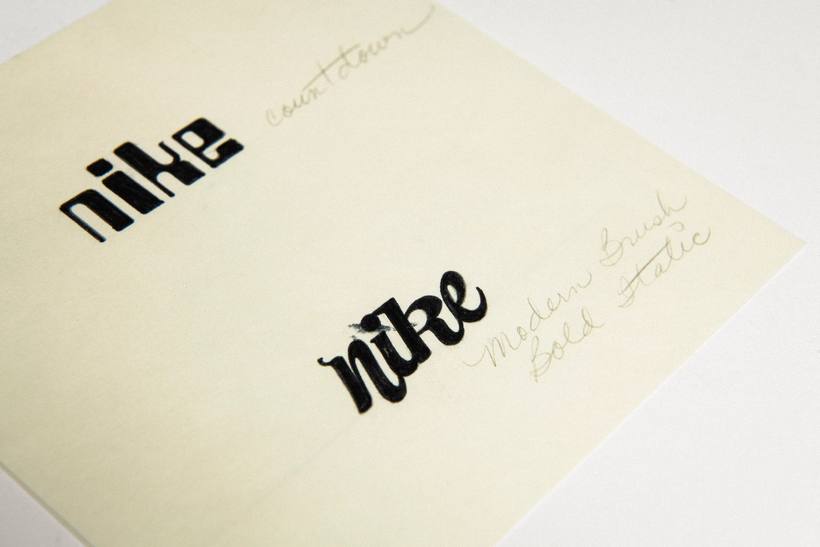
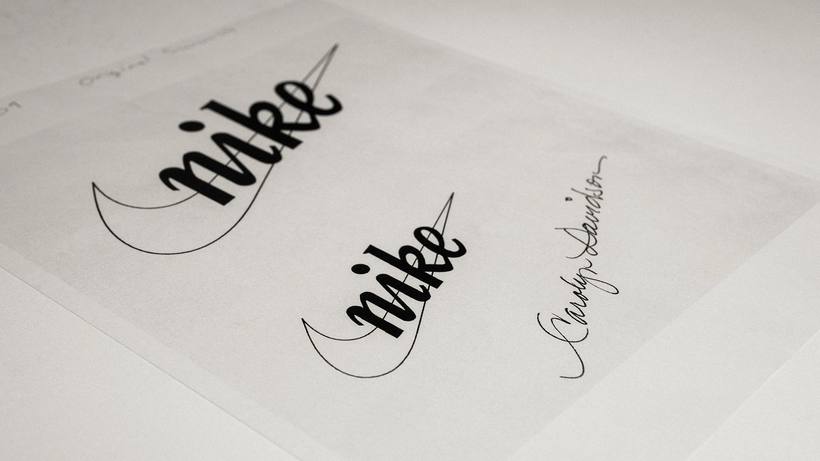
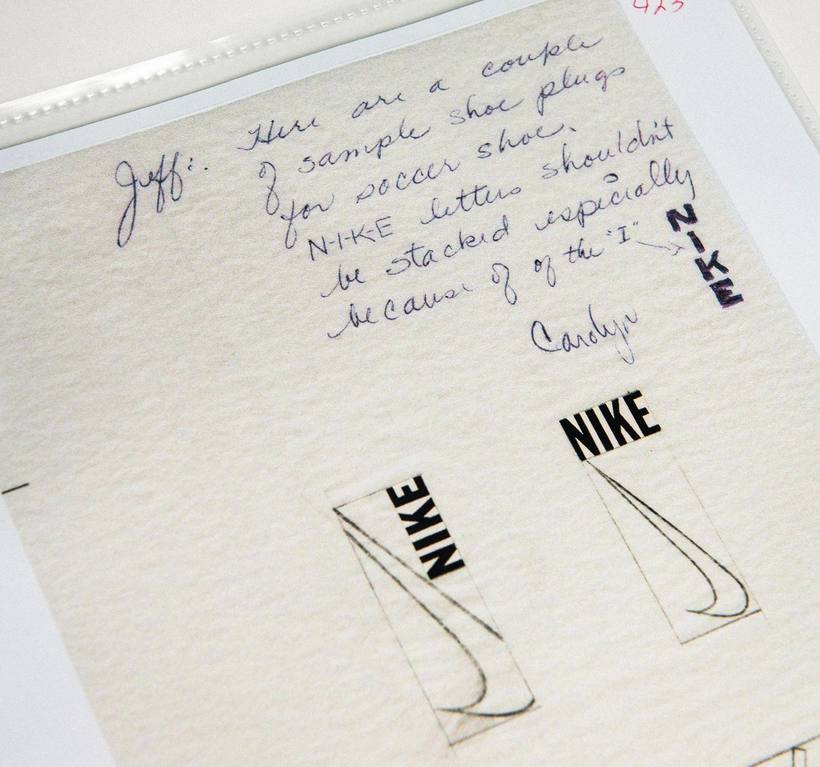
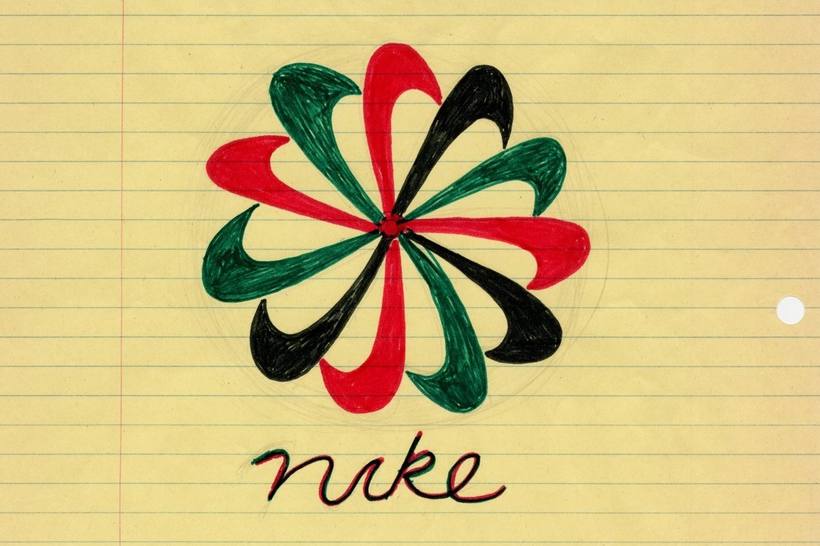
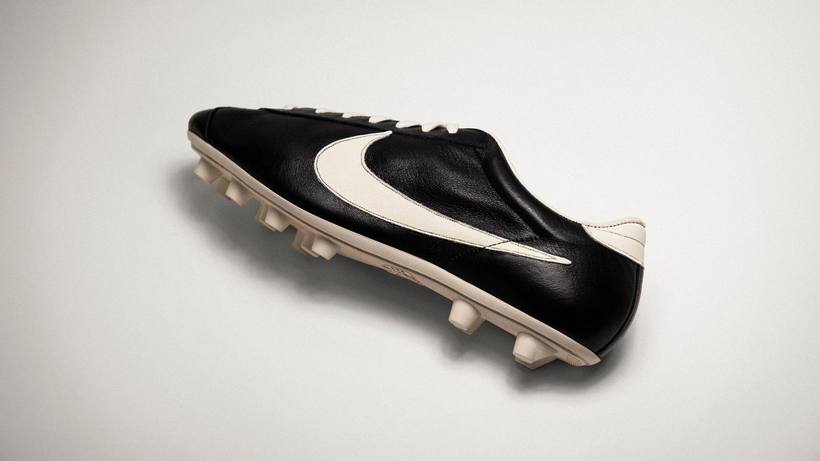
In 1964, Phil Knight and coach Bill Bowerman started Blue Ribbon Sports, importing Onitsuka Tigers from Japan, financed by maxed-out personal credit and a bank balance perpetually one canceled invoice from collapse. Knight kept his accountant day job for years. He personally guaranteed every loan. When the Japanese partner threatened to cut them off in 1971, they invented a new brand overnight: Nike.
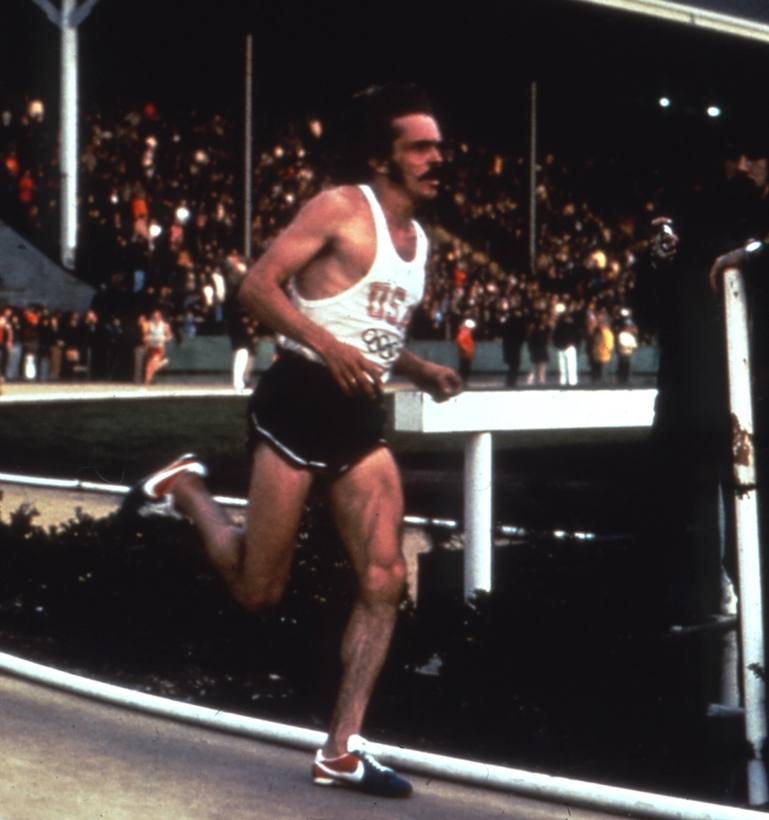
Then they bet everything on stories, Pre, then Air Jordan, then "Just Do It."
Why it was risky
Banks wouldn't lend. Suppliers kept threatening to walk. Cash flow was perpetually razor-thin. Most of the company's growth was funded by Knight personally guaranteeing loans he couldn't repay if any single shipment failed customs. Adidas, Puma, and Converse already owned global distribution. Picking a fight with all three from a Beaverton station wagon was insane.
Every smart person told them to slow down. They sped up.
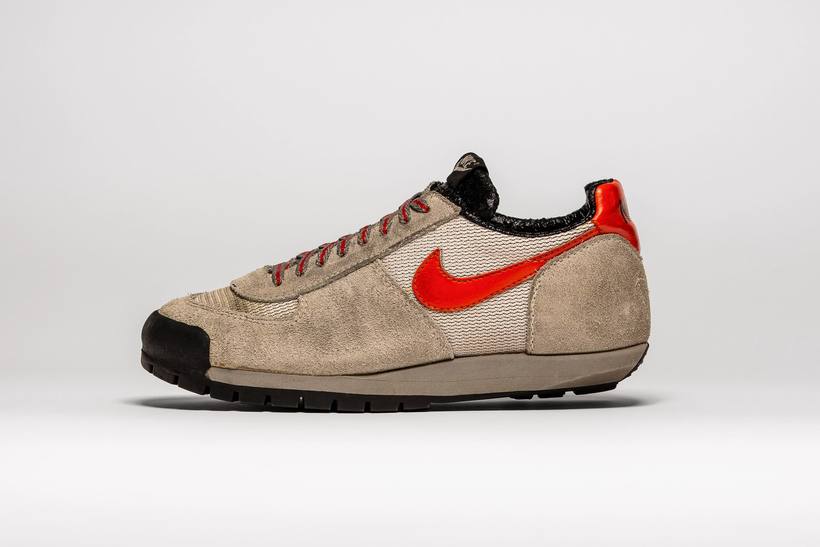
What it looked like
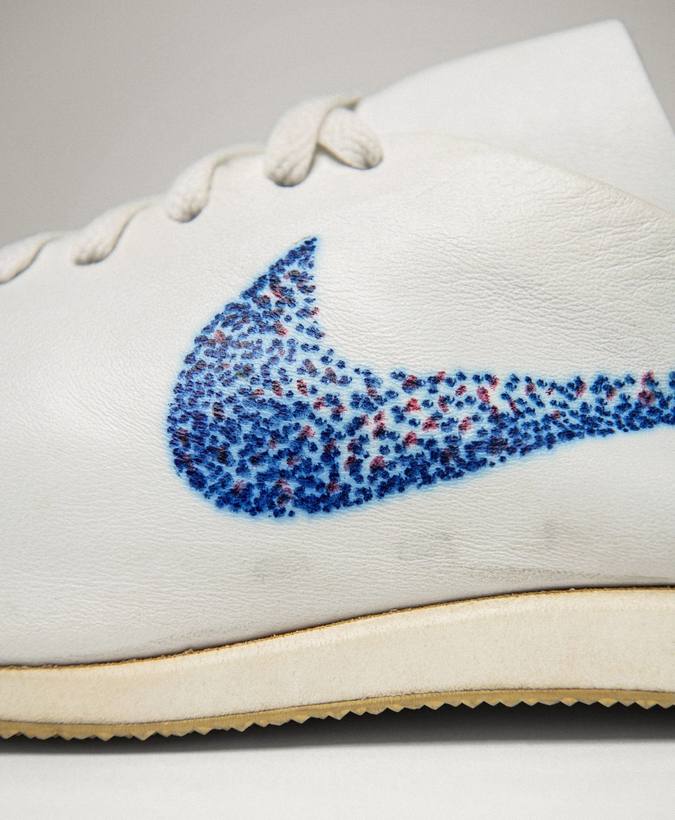
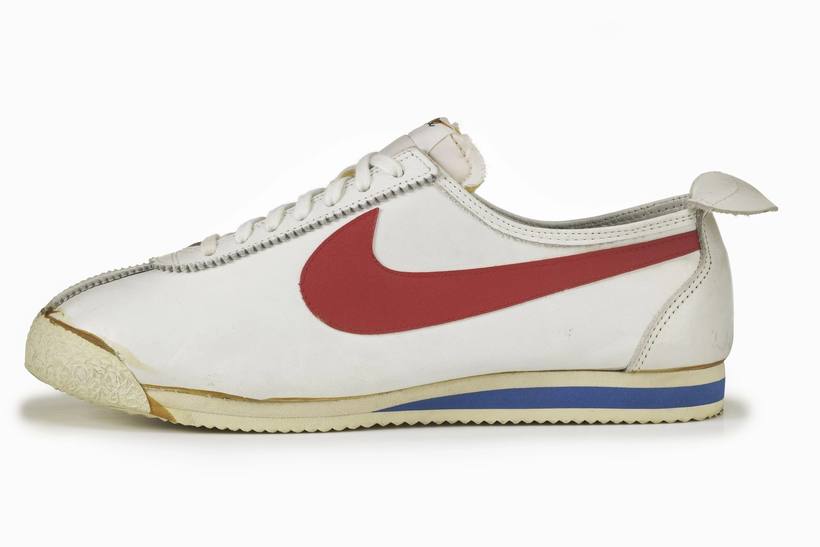
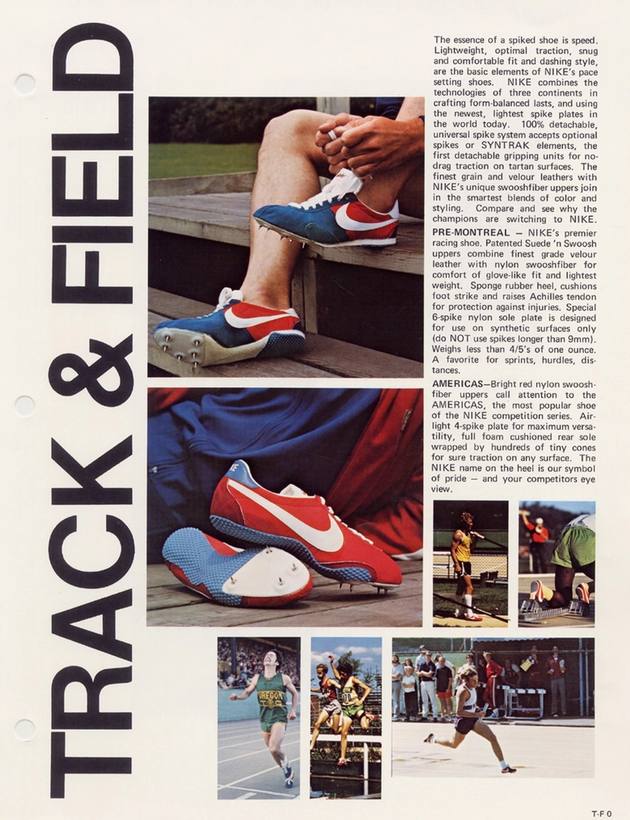
EVIDENCE 01 / NIKE, JUST DO IT / 1988
The numbers
Pre. Then Air Jordans. Then "Just Do It." Nike turned sport into culture and built the largest sportswear company on earth, entirely on the willingness to be one canceled invoice from over.
The lesson
The risk wasn't the shoes. It was financing them on credit no bank should have given him. Knight built Nike one canceled invoice from broke for nearly a decade. Every payroll was a bet that the next shipment would clear customs in time. R.I.S.K. exists for founders comfortable being one cycle away from the end, because that's the only place real conviction gets tested.
→ Take the riskRisk shape
- Mode
- UNICORN-INSIDE-CORPORATE
- Distribution
- POWER-LAW
- Capital
- PERSONAL · ASYMMETRIC
- The other system's verdict
- KILLED AT SLIDE 47
Phil Knight bet his apartment on shoes. A FTSE 100 marketing director with the same idea would have it laundered into "a footwear strategic options taskforce" inside a quarter.
→ See how risk actually works