Steve Jobs
Walked back into a dying Apple and killed 70% of the product line. Bet everything on taste. Built the most valuable company on earth.
The move
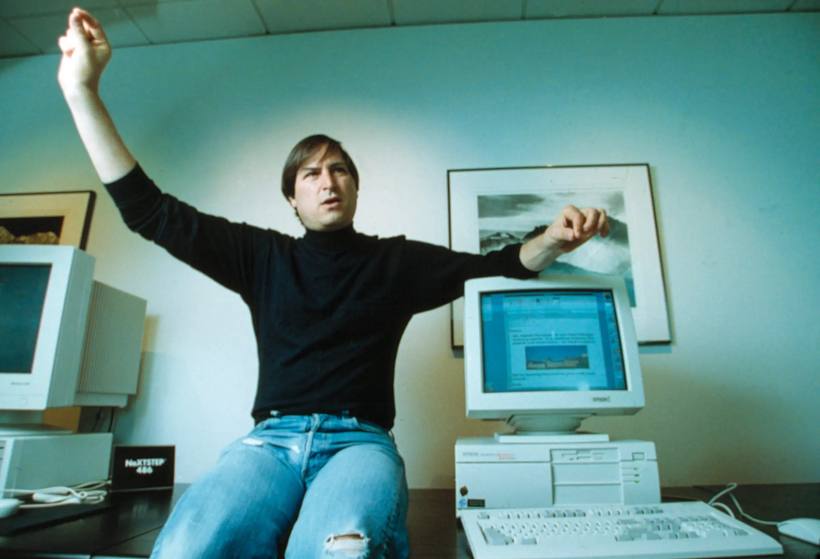
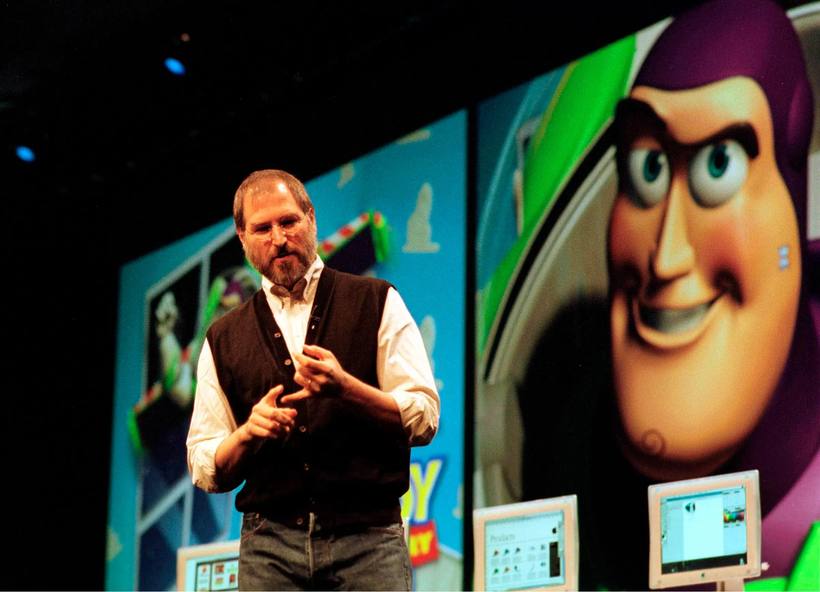
In 1997, Apple was 90 days from bankruptcy. Steve Jobs walked back into the company that fired him a decade earlier. He killed 70% of the product line. 350 SKUs down to four. He took $150 million from Microsoft on stage to keep the lights on. Then he bet the company on a translucent computer no one had asked for.
He shipped it anyway.
Why it was risky
The market wanted servers and beige towers. Analysts wanted spreadsheets, focus groups, customer surveys. Jobs killed the Newton, killed the printers, killed the Mac clones, every project that didn't fit on a single 2×2 product matrix. He stood on stage and asked the most valuable software company on earth to invest in his enemy.
The "obvious" answer was to compete on specs and price. He did the opposite.
What it looked like
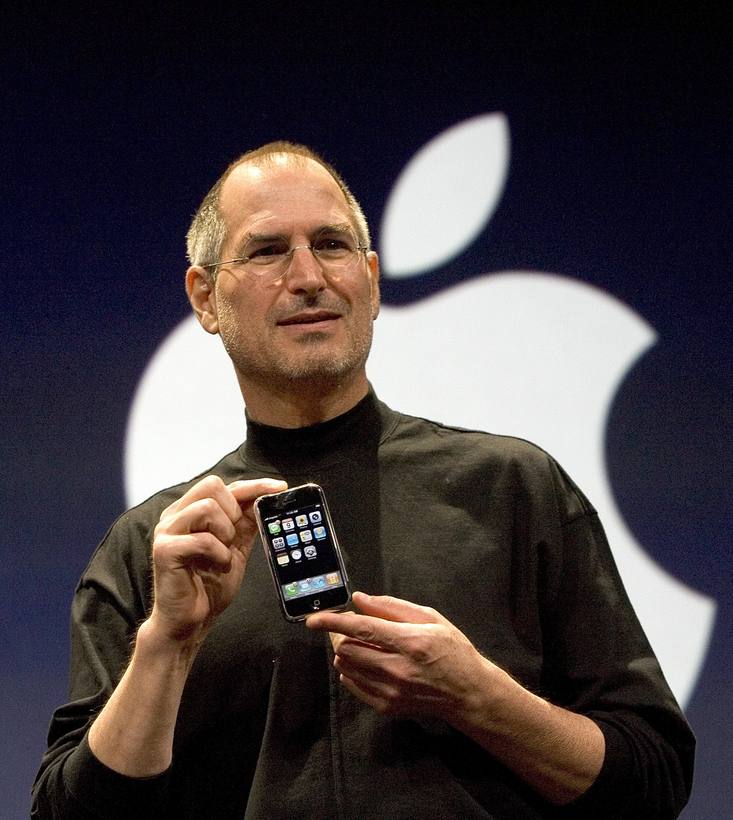
EVIDENCE 01 / STEVE JOBS, IPHONE KEYNOTE / 2007
The numbers
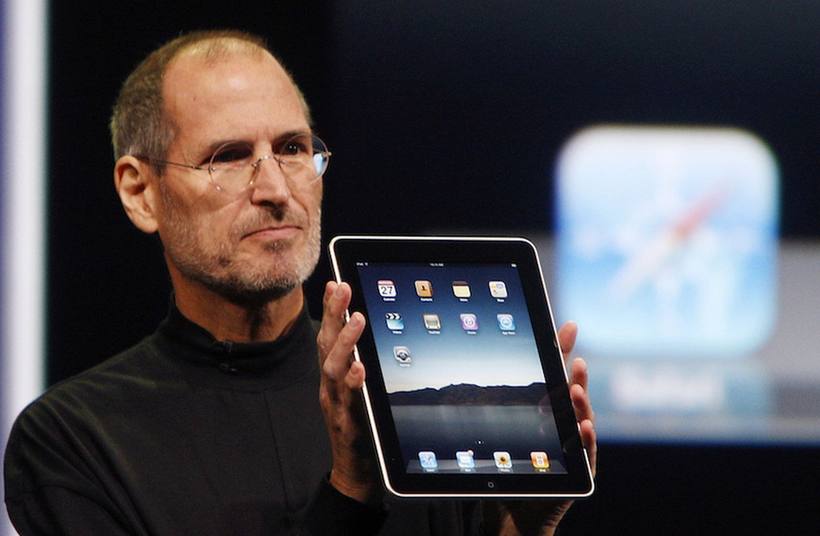
iMac. iPod. iTunes. iPhone. iPad. Each launch a category bet. Each one absurd at the time. Apple went from junk-bond status to the most valuable company on earth, and the design playbook he cut, killed, and shipped is still the template every consumer-tech company copies.
The lesson
The risk wasn't taste. It was killing the things that were paying the bills. Jobs cut 70% of Apple's product line because survival required focus, not range. Then he kept cutting, kept simplifying, kept saying no when the obvious move was to add. R.I.S.K. exists for leaders who know the next chapter requires saying no to most of the current one.
→ Take the riskRisk shape
- Mode
- FOUNDER-OVERRULING-BOARD
- Distribution
- POWER-LAW
- Capital
- REPUTATIONAL · CONCENTRATED
- The other system's verdict
- KILLED IN A SKU OPTIMISATION REVIEW
Steve Jobs killed seventy percent of Apple's product line. A CMO running the same exercise would have it framed as "rationalisation across categories", with each cut requiring a stakeholder consultation and a 90-day transition plan.
→ See how risk actually works