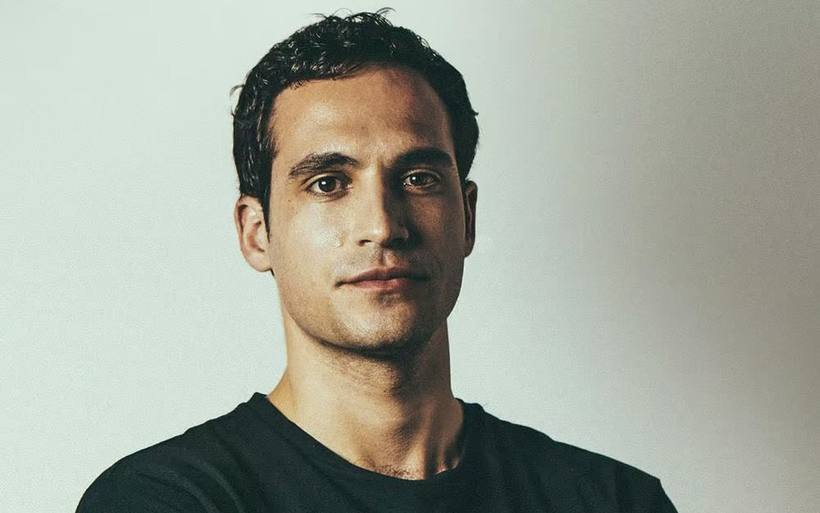
Will Ahmed
Built WHOOP. Gave away the hardware, sold the relationship, made a fitness wearable on subscription when everyone else sold devices.
The move
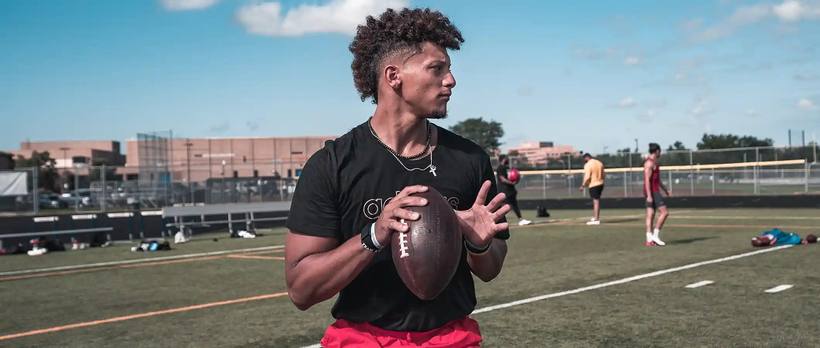
Will Ahmed was captain of the Harvard squash team in 2011 when he started prototyping a heart-rate monitor in his dorm. He was overtraining and didn't know it, and the consumer fitness wearables of the time, Fitbit, Garmin, Apple Watch, were chasing step counts and notifications. He wanted physiological signal: strain, recovery, sleep.
WHOOP launched in 2015 as a $500 wearable. It struggled. The hardware was good but the model was wrong, asking $500 for a screenless wristband against an Apple Watch was a hard sell. In 2018 Ahmed made the bet that defined the company: WHOOP would give the hardware away and charge a monthly subscription.
Nobody in consumer hardware was doing this. Subscription wearables were a category nobody wanted, and the unit economics terrified investors. Ahmed kept the strategy and pushed deeper, signing the NBA, NFL, PGA, and dozens of pro leagues to put WHOOP straps on athletes. The data company started outrunning the hardware company.
WHOOP raised at a $3.6B valuation in 2021. The strap is now standard equipment for an entire layer of professional sport. The shift Ahmed made, from selling devices to selling a relationship, is the model every fitness wearable has since copied.
Why it was risky
Subscription hardware breaks the consumer's mental model. The math also breaks the founder's: free hardware means immediate negative gross margin per user, recovered only over years of retention. Investors were used to one-shot device sales. Ahmed traded short-term margin for long-term relationship and product depth, betting that if the data was good enough, churn would stay low long enough to amortise.
What it looked like
EVIDENCE 01 / WILL AHMED, WHOOP / FOUNDER STORY
The numbers
From a $500 niche wearable to the operating standard for elite sport recovery. The subscription pivot rebuilt the unit economics by treating the customer as a relationship instead of a transaction.
The lesson
The risk wasn't the wearable. It was giving the hardware away when nobody else was. Ahmed reframed the company from a device business to a data and relationship business, and absorbed three years of bruised unit economics to build the moat. R.I.S.K. exists for founders who can identify the legacy assumption everyone in the category is still pricing in, and is the wrong assumption.
→ Take the riskRisk shape
- Mode
- FOUNDER-AGAINST-INCUMBENT-BIAS
- Distribution
- POWER-LAW
- Capital
- VENTURE · ASYMMETRIC
- The other system's verdict
- KILLED IN THE MARKET-SIZING EXERCISE
Will Ahmed bet a Harvard thesis on athlete recovery into a multi-billion band. A corporate wearables team with the same data would call the TAM "too narrow to invest behind" and pivot to general wellness.
→ See how risk actually works